At Bear Branch Malt in Carroll County, Maryland-grown grain becomes the backbone of beers across the state. Here’s how it works, and how to taste the difference.
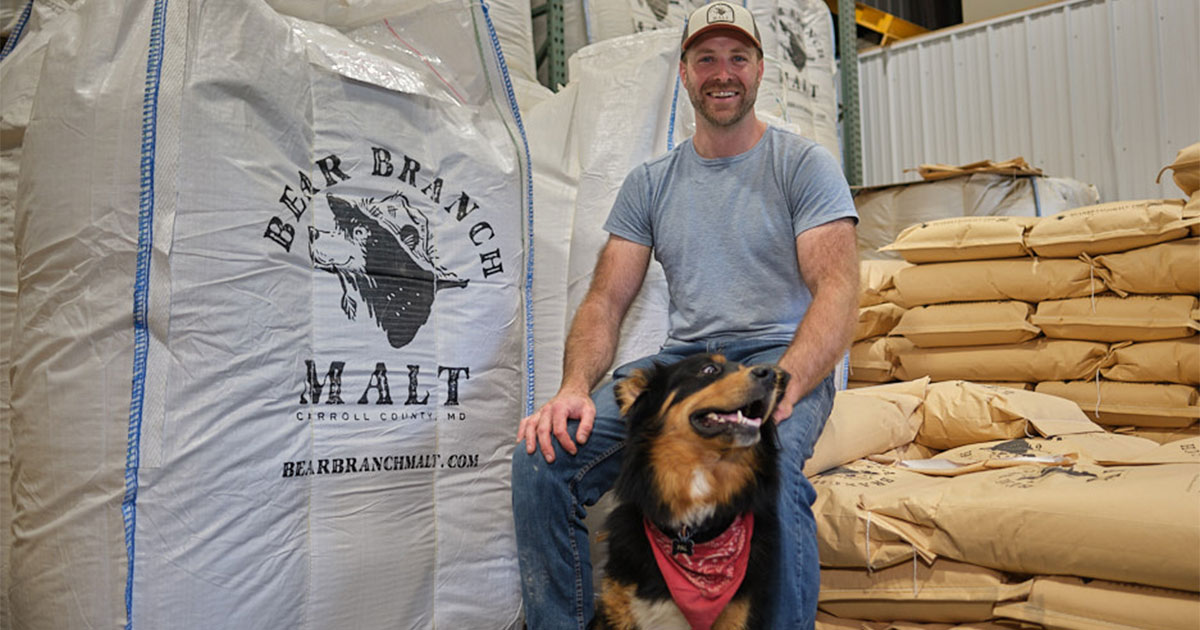
If you ask a beer drinker what goes into their favorite pint, hops probably come to mind pretty quickly. But Brad Humbert would point you toward the grain.
“A typical batch of beer might be 600 pounds of malt and 20 pounds of hops,” Brad says. “Malt is the backbone of every brew out there.”
Bear Branch Malt is part of a fourth-generation family farm in Carroll County. Brad grew up there, on land his great-grandparents bought in 1937. Today, he and his mom, Susan Hebble, are turning Maryland-grown grain into malt for breweries and distilleries across the state.
September is Craft Malt Month, so we paid them a visit to answer a question plenty of beer drinkers have probably never stopped to ask: What the heck is malt, anyway?
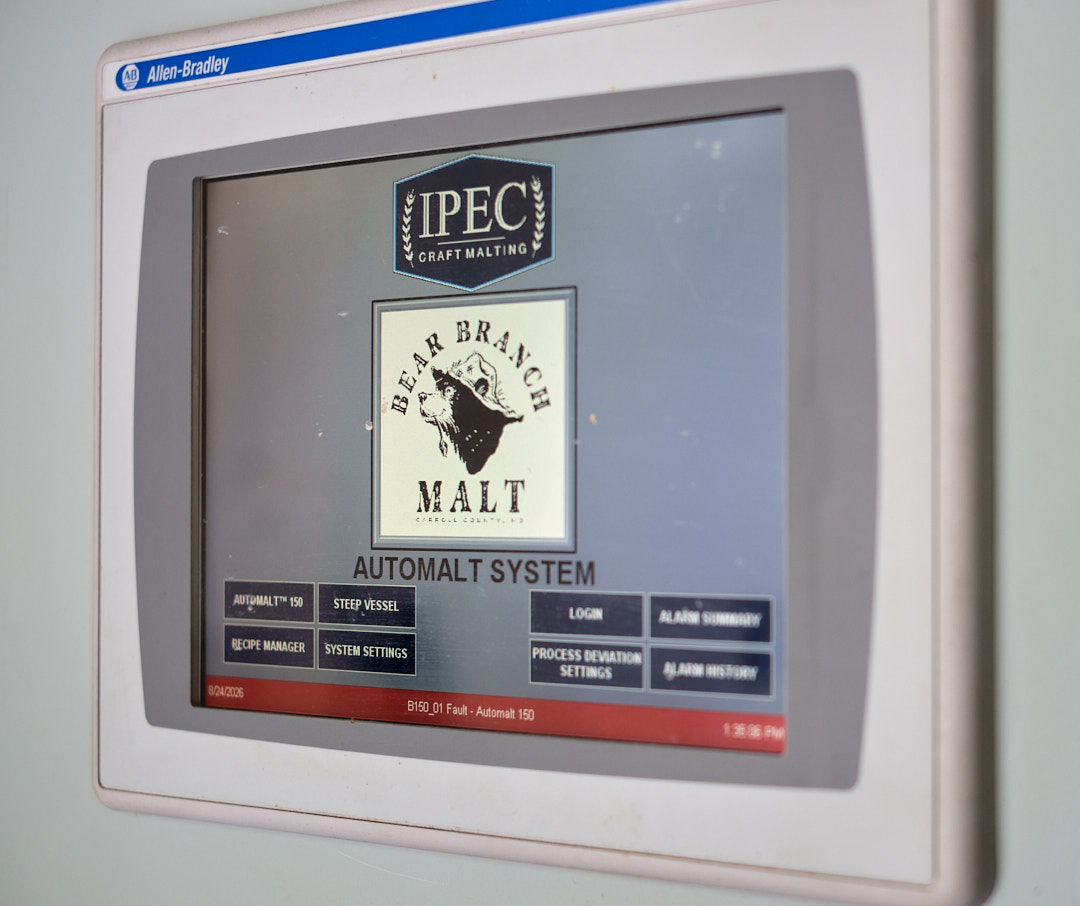
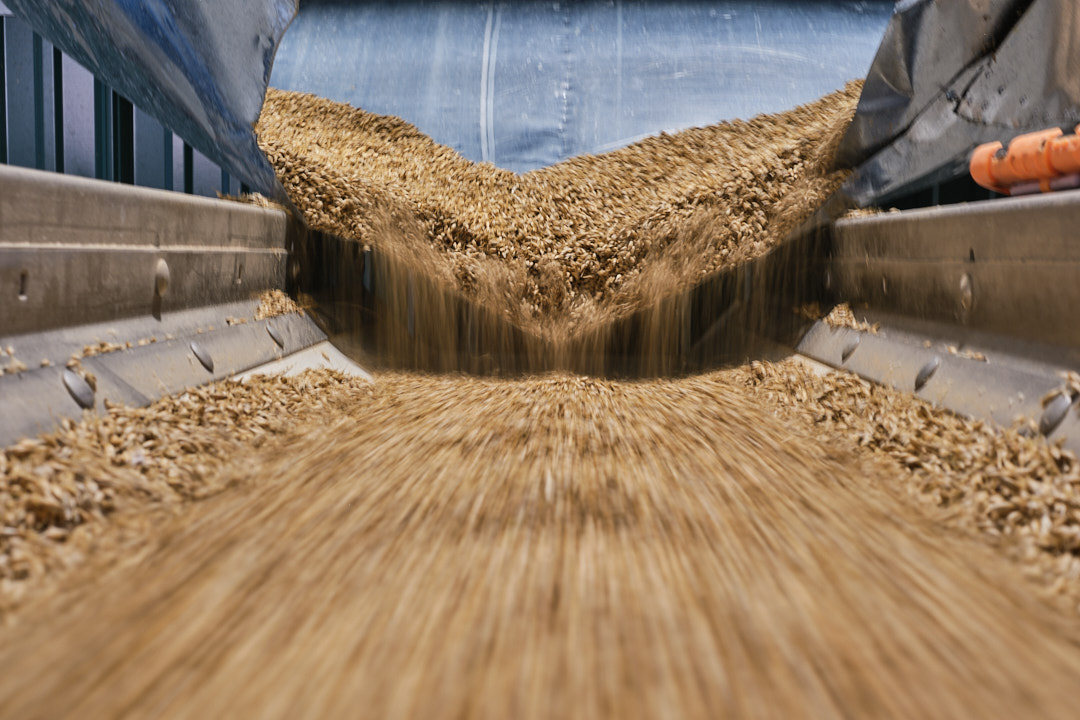
“Malt is a grain that has been germinated and then kilned,” Brad explains. The process takes about seven days. The grain is soaked in water, given time to grow, then dried in the kiln.
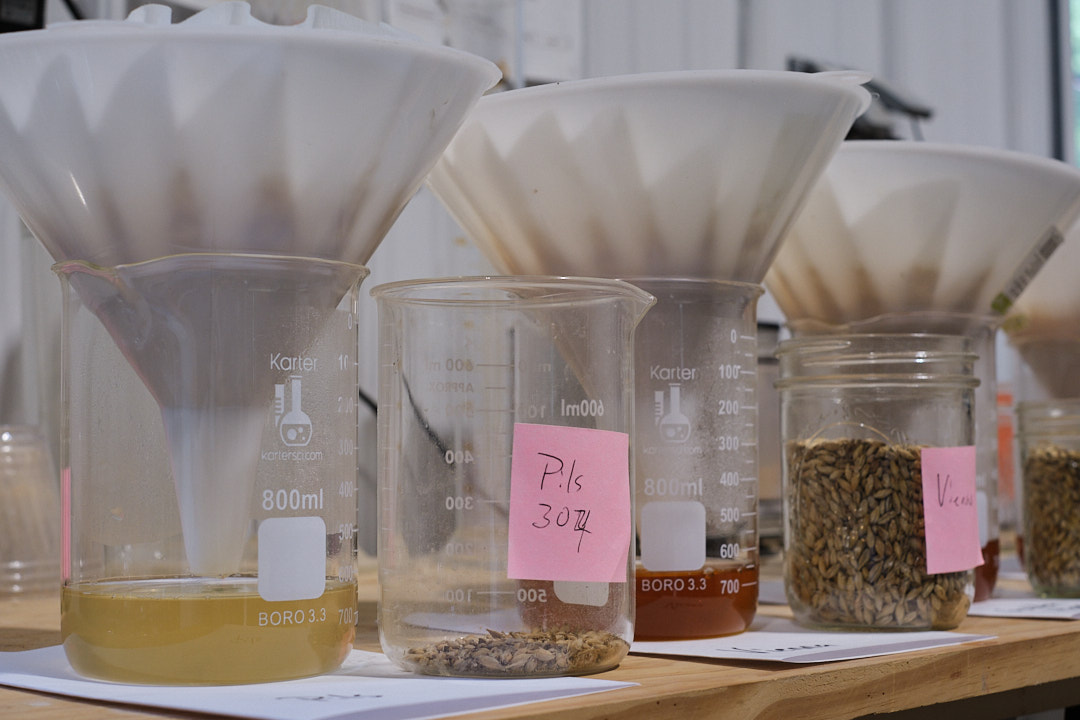
The kiln does more than dry the grain. As heat is applied, browning reactions develop color and flavor, much like roasting or toasting food. How far Brad takes that process helps determine whether the finished malt is light and delicate or darker, toastier and richer.
A Pilsner malt is kilned to stay light, while Vienna and Munich malts go progressively darker. “That’s when we develop the real color and flavor,” Brad says.
Without malting, the grain doesn’t give a brewer the readily accessible sugars needed to make beer. Once malt reaches the brewhouse, those sugars can be extracted into wort and eventually fermented by yeast into alcohol. Brad has a much simpler way to put it:
Brad grows some of the grain on the family farm and works with growers across Maryland for the rest. And every crop is a little different. “Sometimes barley really wants to be Pilsner and certain lots of barley would rather be Vienna,” Brad says.
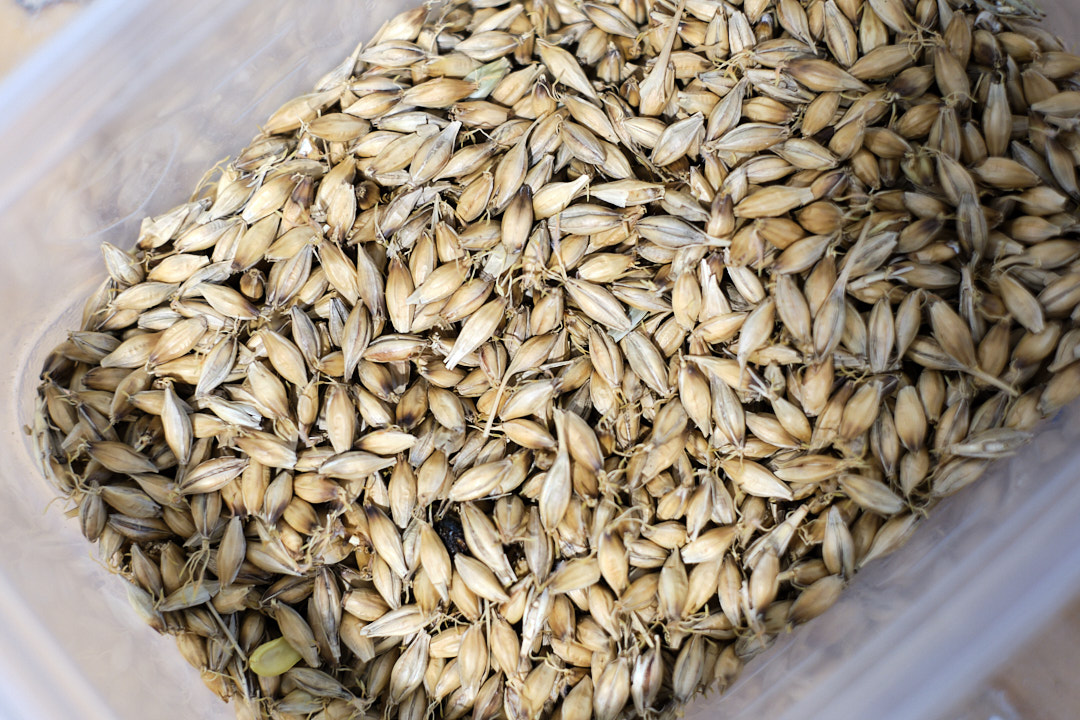
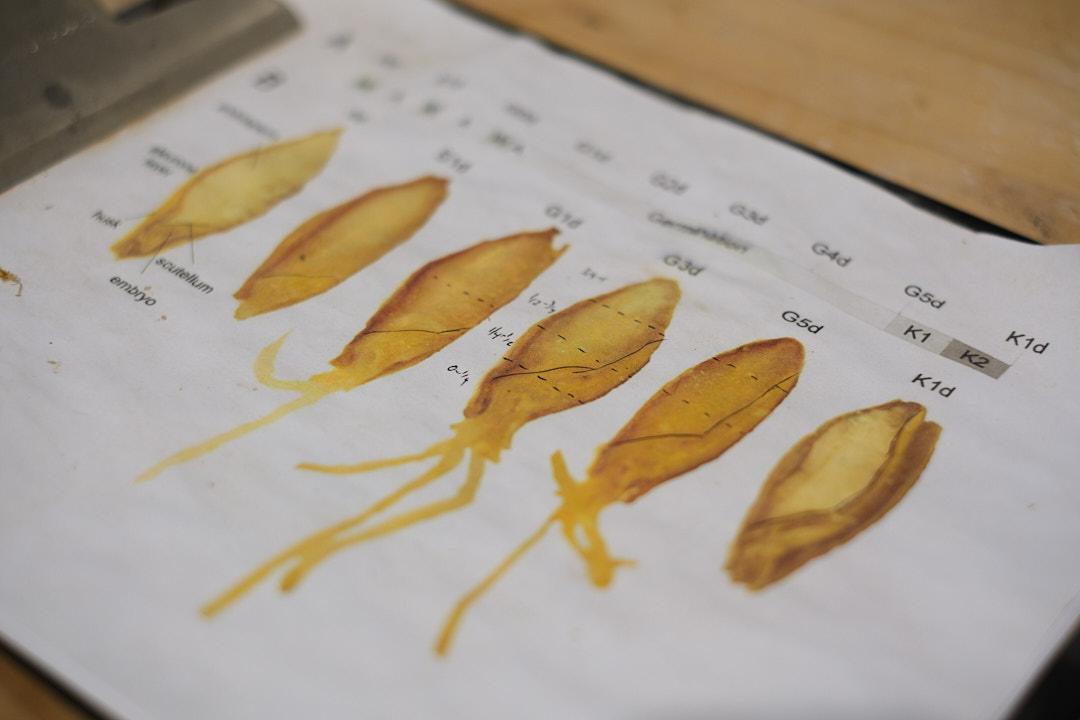
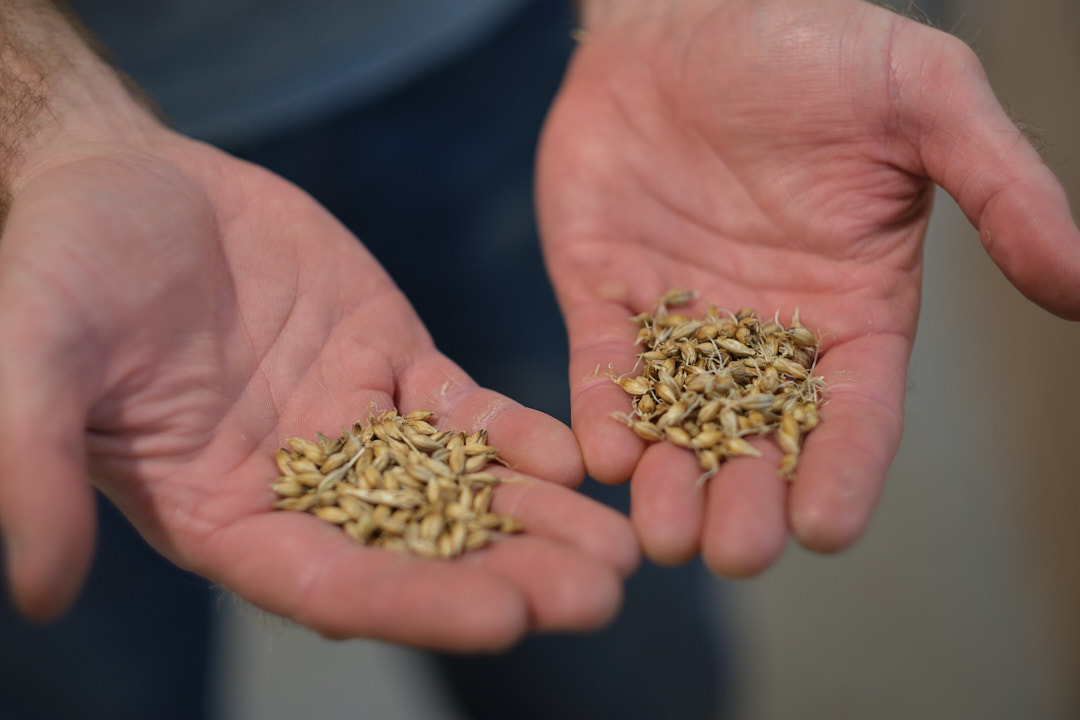
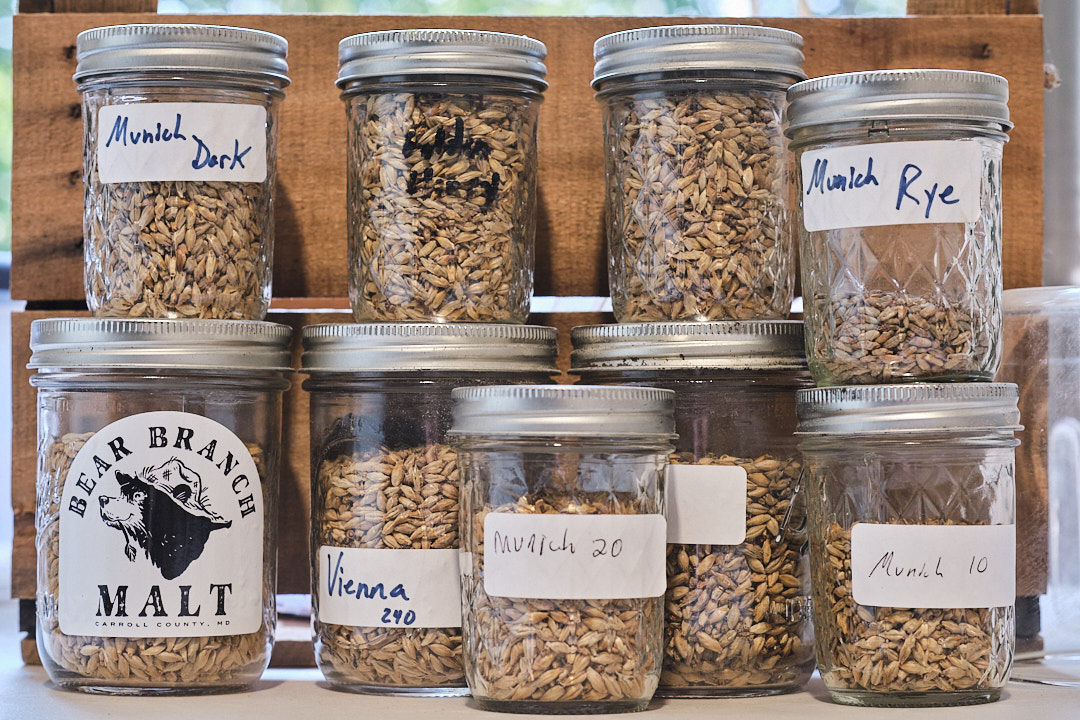
“I would go to your favorite local brewery and taste through a variety of beers,” Brad says. Work your way from light to dark and see how the flavor changes along with the color. And it doesn’t take much at the far end of the spectrum: a relatively small amount of deeply roasted malt can turn a stout nearly black.
To close out Craft Malt Month, Bear Branch is teaming up with Max’s Taphouse and around 20 local breweries on September 29 for a chance to do exactly what Brad recommends: taste through beers made with Maryland malt. Along with the beer, Brad will have grain samples on hand so you can get even closer to what’s in your glass.
A few of the beers pouring that night have particularly good stories behind them.
Monument City Brewing Company has turned its relationship with Bear Branch into a Grain to Glass series. The brewery team visits Bear Branch to taste malt and talk through what’s available, then Brad joins them at the brewery to figure out what they can make with it. Bear Branch Vienna Lager is one of the results, and it’ll be on tap at Max’s.
The Olde Mother / Pink Boots Oktoberfest has a different origin. Susan reached out to Stephanie Santos, an assistant distiller at Sagamore Spirit and a leader with Pink Boots Maryland, about getting a group together to brew with Bear Branch malt. Stephanie connected with Olde Mother Brewing Co., and Susan brought along some friends of her own.
“I also belong to a ladies beer group. We’re a subgroup of a hiking group,” Susan says. “So we hike, and once a month we’ll go to a brewery.”
They joined Pink Boots members at Olde Mother for the brew day, making a Märzen that will also be pouring at Max’s.
It isn’t just special releases. In addition to the Vienna Gold that will be featured at Max’s, Streetcar 82 brews almost exclusively with Bear Branch Malt, and across the state, breweries of all kinds use Bear Branch Malt, from Diamondback in Baltimore to farm breweries like Milkhouse.
For those of you who are Rye Curious, Sagamore Spirit will also be at Max’s with a preview of its 2027 Pot Still Rye Malt Whiskey, made with 75% Bear Branch Malt.
Grab a flight at Max’s, work your way through a few styles and see what you can pick out.
Craft Malt Month Celebration with Bear Branch Malt
Tuesday, September 29 at 5 p.m. | Max’s Taphouse
Free | 21+ to drink
1812 Farm Brewery – Mountain Valley Amber
Checkerspot – Year Round Fairground
Diamondback – Kia Ora
Falling Branch – Old Line State
Franklin’s – Birthday Beer
Liquidity – Hashawha Hazy
Milkhouse – Oktoberfest
Monument City – Bear Branch Vienna Lager
Olde Mother / Pink Boots – Oktoberfest
Pub Dog Brewing – Honey Brown Ale
Pickett Brewing – TBD
RAK – RAKtoberfest
Streetcar 82 – Vienna Gold
Union – Doppelbock
Vanish Brewing – Fields Of Gold Harvest
Every ticket and T-shirt helps support the Brewers Association of Maryland and our work to promote and strengthen Maryland craft beer.
Wanderland 2026
Maryland beer, wine, spirits, cider, food and more come together October 24 at Merriweather Park at Symphony Woods.
Shop BAM Gear
Rep Maryland craft beer and support the Brewers Association of Maryland.