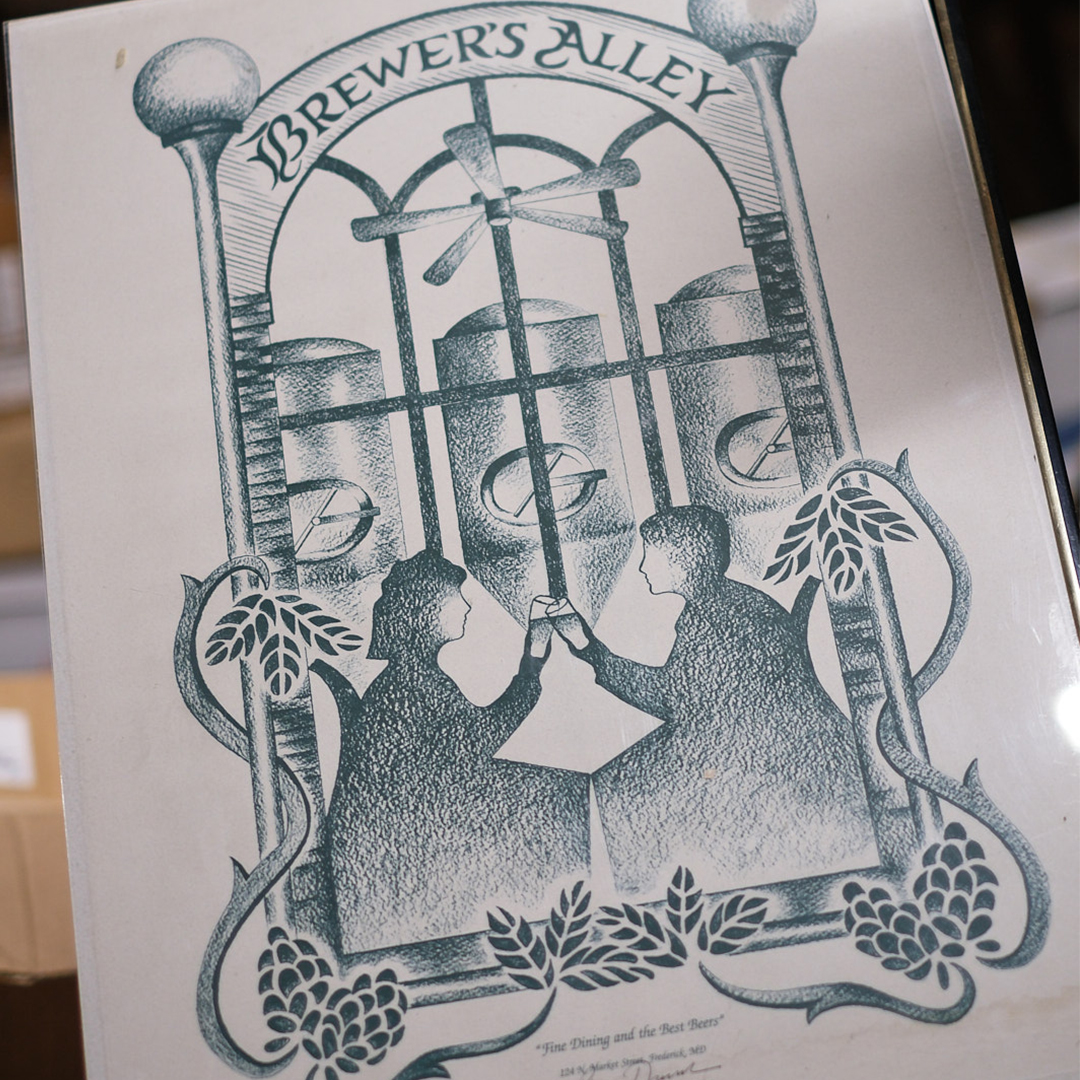
Brewer’s Alley lore reaches well beyond the story of a single brewery, into the people, places, and relationships that helped build a community in Frederick and a craft beer industry across Maryland.
When Brewer’s Alley opened in downtown Frederick in 1996, there wasn’t much of a roadmap for building a craft brewery in Maryland.
For founder Phil Bowers, it started with homebrewing. “People were telling me, ‘Hey, you’re making pretty good beer.’ And then my little bit of a connection with the craft brewing industry at the time had me thinking, maybe this is something that I can get into.”
Much of that emerging craft beer scene was on the West Coast, so he went looking for experience. He visited breweries, talked to brewers, and took the intensive brewing course at UC Davis. But he knew where he wanted to build. “I wanted to do something in Frederick because that’s basically where I grew up.”
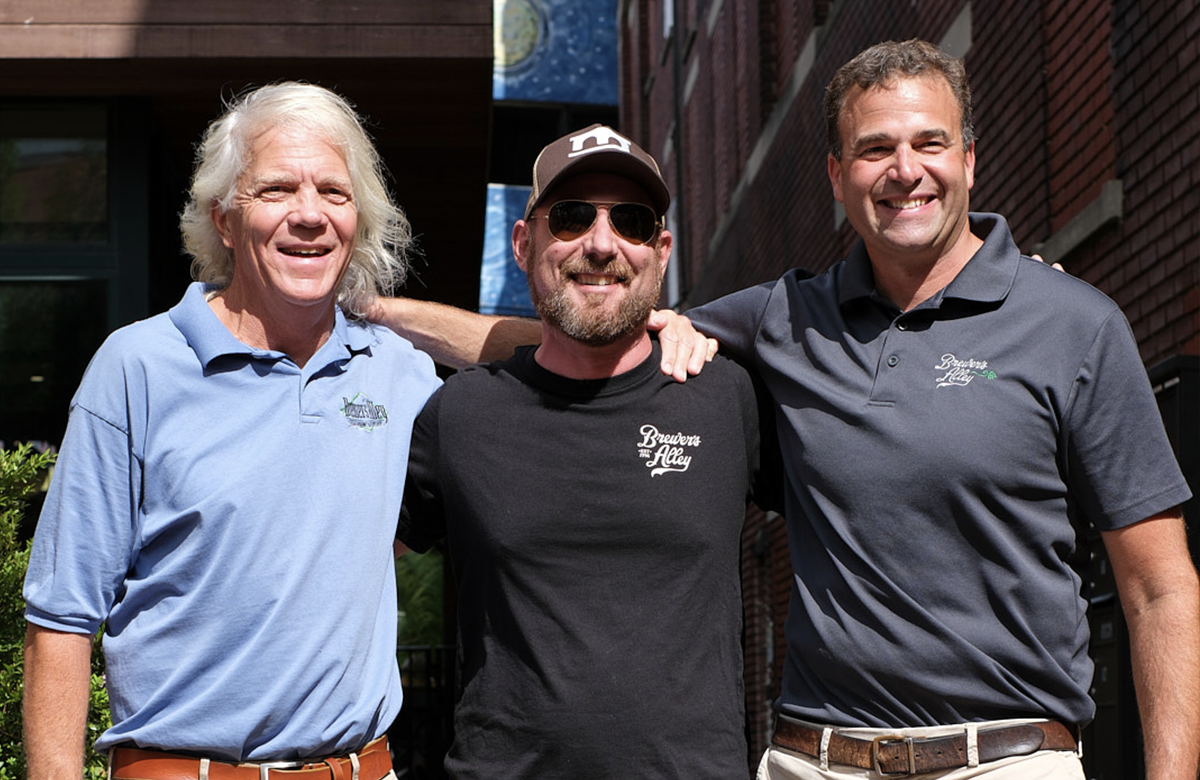
To mark the anniversary, we sat down with Phil and owner Greg Brown to talk about the early days, the people who built Maryland beer, and what it takes to carry a brewery forward.
In the early 1990s, Maryland’s brewing landscape was, as Phil calls it, “pretty sparse.” He remembers Baltimore Brewing Company, Hugh Sisson making the move from brewpub to Clipper City, and a small group that arrived around the same time as Brewer’s Alley, including The Brewer’s Art and DuClaw.
“I think early on there might have been a rush of homebrewers that got in and weren’t able to scale up or produce the kind of product that people really wanted.”
For anyone trying to make the leap, the options were limited. Phil remembers two ways to open a brewery in Maryland: operate as a full production brewery, or take the brewpub route.
“I wanted to brew the beer and started as the brewer and very quickly found out that I needed to learn the restaurant business,” Phil says. “It’s a whole different animal. It’s not easy.”
But the brewpub model had its benefits. “The nice thing about having a brewpub versus a manufacturing brewery is you get instant feedback. Your beer is brewed right there, you can make adjustments, talk to customers, see what they like and then brew for that.”
Maryland’s small group of early brewers relied on each other. “There weren’t that many of us around, so we had to help with kegs, ingredients, whatever anyone needed,” Phil says.
That included Hugh Sisson, who gave Phil the opportunity to brew at his brewpub in Baltimore. Beyond Maryland, Phil found the same spirit at the Craft Brewers Conference, which was still small in those days.
“It was very collegiate. We’d all get on buses and take tours. You’re sitting next to people like Fritz Maytag and Ken Grossman. It was a very tight-knit community and everybody was helping each other.”
Back home, that same instinct became something more formal. A Mid-Atlantic Craft Brewers Association already represented breweries across the region, but Phil and a few others wanted something focused on the state. “We wanted to try to have a vehicle to help each other.”
That vehicle became the Brewers Association of Maryland. “We grew from probably two breweries to 10, maybe 12,” he says. “And then it was stuck on that for a fairly long time.”
Beyond helping one another brew, the young industry needed a collective lobbying voice. Maryland’s laws strictly limited how small breweries could operate, and Phil remembers years spent trying to change that.
“It was definitely an uphill battle from that standpoint,” he says. “There were a lot of years put in trying to educate the world that craft beer needed to have a place.”
That advocacy helped change the landscape. “Maryland started to understand that this was an industry that wanted to grow, and so they loosened up some of the regulations,” Phil says. “It became a little bit more fertile ground, so to speak, to open a brewery.”
That community may be much larger now, but for Phil, what makes it work hasn’t changed.
“For a lively, successful industry, you have to have cooperation and collaboration with everybody,” he says. “The cutthroat doesn’t work.”
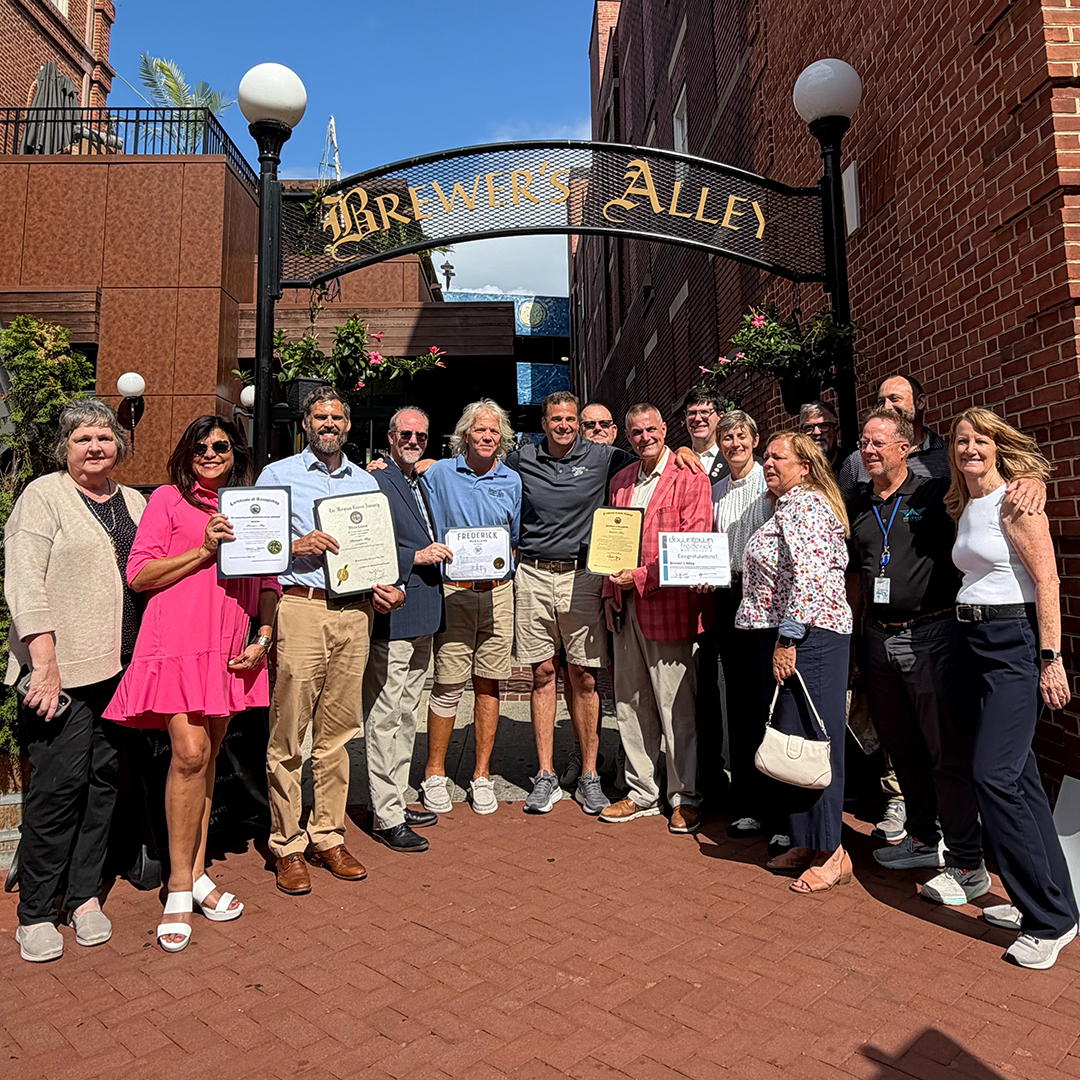
Somewhere along the way, all those meals and beers started adding up to something bigger. Brewer’s Alley has been there for dates, marriages, rehearsal dinners and baby showers.
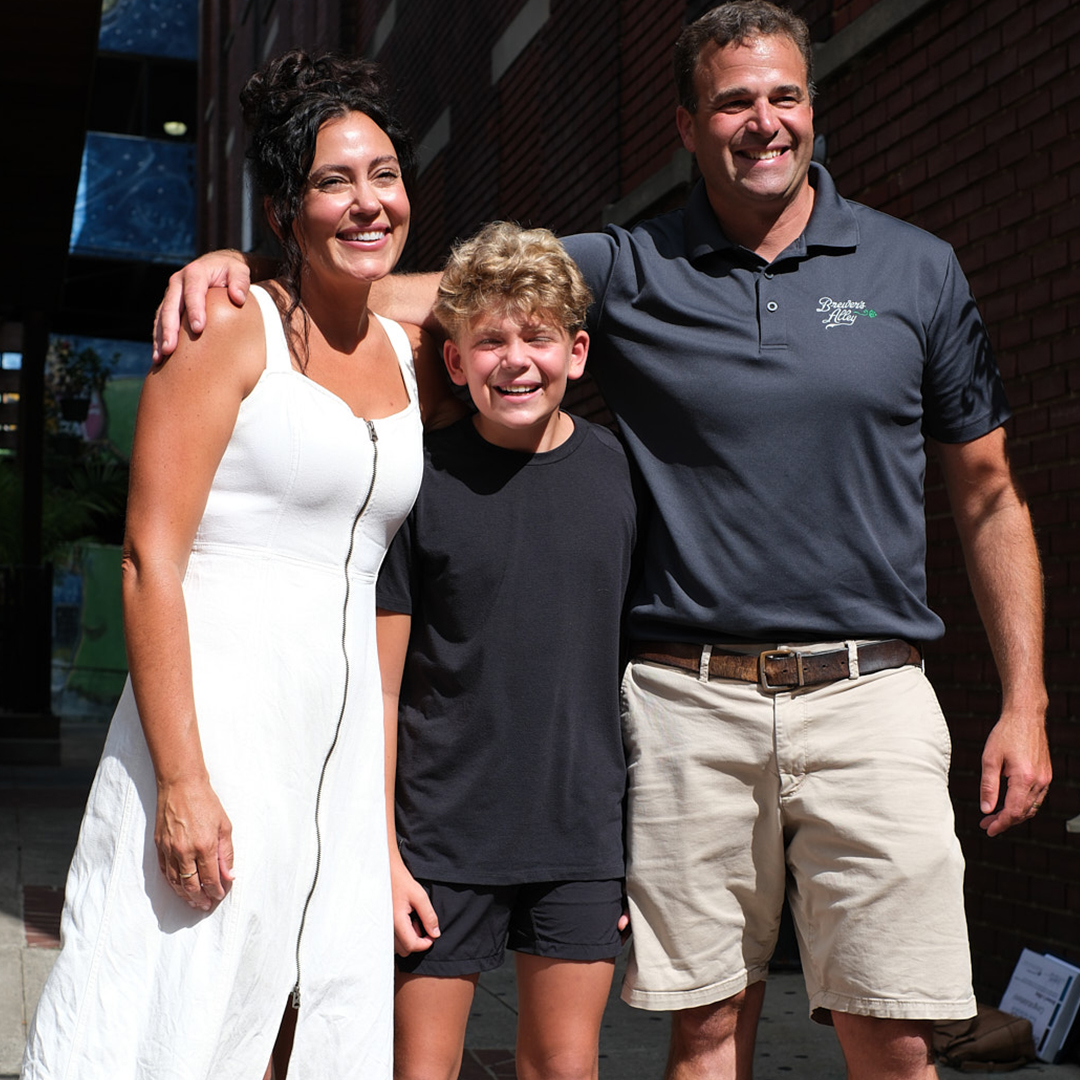
Greg knows that story firsthand. On one of his first trips to Maryland, the woman who would become his wife took him to Brewer’s Alley for their second date.
“At that point, I had no idea that I would one day be sitting here as the owner of Brewer’s Alley,” he says.
More than a decade and three kids later, he hears versions of that story all the time. “You have people that come in, it’s like, ‘Oh my gosh, we had a rehearsal dinner here, I don’t know, 25 years ago.’ And then their kids are maybe getting married.”
The same goes for employees. Former hosts, servers and bartenders come back years later, and some families have had multiple generations work there.
“It’s really a community gathering place and it always has been,” Phil says. “Once you’re there for 30 years, they start handing down those traditions from generation to generation. It’s pretty cool to watch.”
Keeping that going, Greg says, is “as simple and as complicated as having good people,” with what he calls “the hospitality gene” and an entrepreneurial streak.
A few years ago, while Brewer’s Alley was looking for a restaurant manager, an application from Karl Knoop landed on Greg’s desk. The résumé didn’t exactly fit the opening.
“I know I sent it to Phil like, ‘Look at this résumé. This doesn’t feel much like a restaurant manager to me, more like someone that could probably run our beer business.’”
As it turned out, that was Karl’s plan. What started as a conversation over one beer stretched to “probably four or five” before he admitted why he’d applied.
“He’s like, ‘I knew about Brewer’s Alley. I loved it. I thought I would just put it in. I was hoping my résumé might get to you because I really want to talk about running the beer part of this business.’”
“Karl has probably forgotten more about the beer business than I’ll ever know,” Greg says. “He’s just a phenomenal person. He’s a great resource to have and we’re fortunate to have him.”
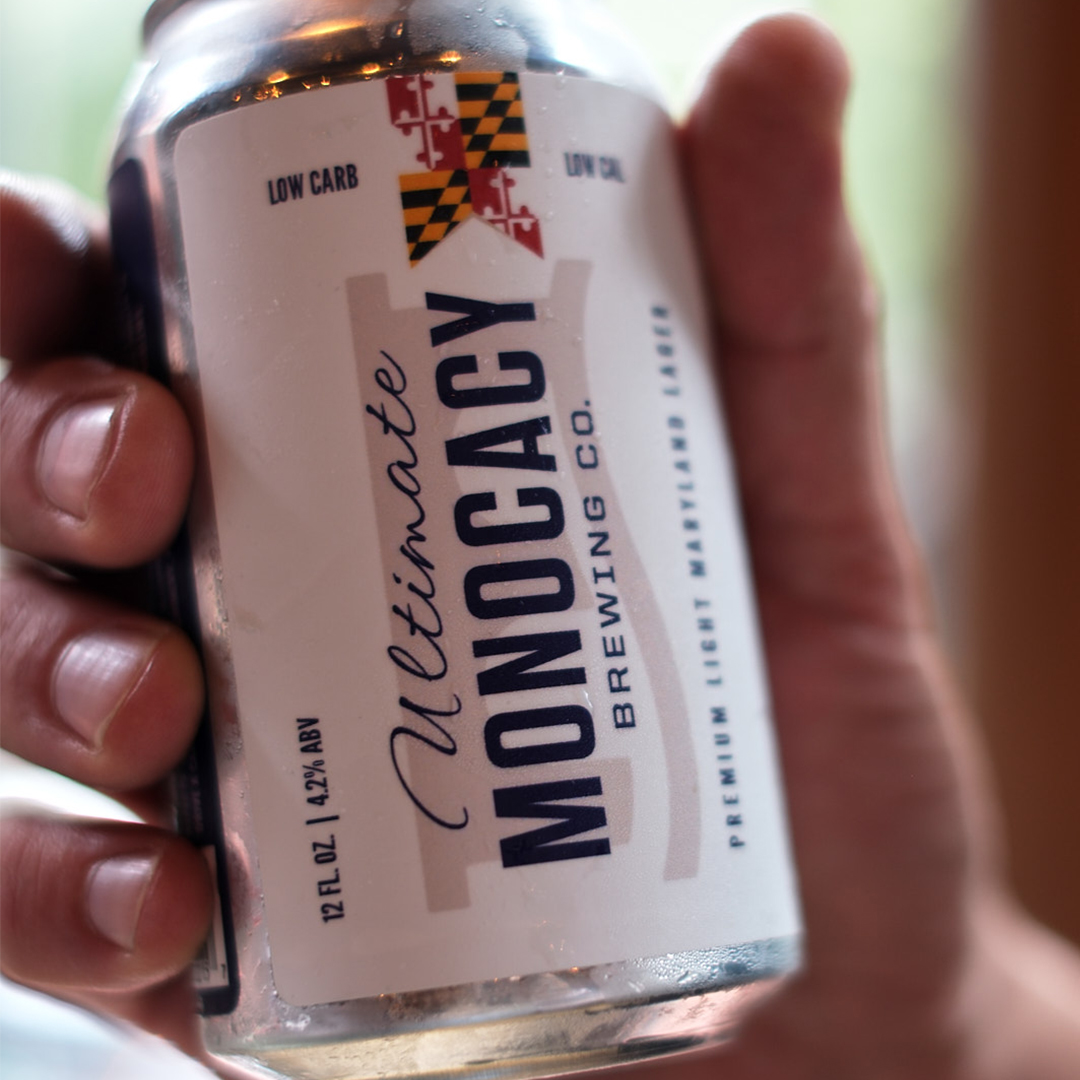
Today, Karl runs sister brewery Monocacy Brewing Company and serves on the Brewers Association of Maryland board.
“I get the feeling that people enjoy having him around,” Greg says, before adding with a laugh, “Most people enjoy having Karl around.”
“You take a look at what the trends are and adapt to what the customers want, but also try to invent what customers don’t even know they want yet,” Phil says.
Brewer’s Alley has long leaned toward classic beer styles, while Monocacy created more room to experiment. More recently, that experimentation has come back to Brewer’s Alley’s original three-barrel system.
“Six months ago we invested,” Greg says. “We hired another brewer focused on having more small-batch and R&D beer available both at Brewer’s Alley and Monocacy.”
That small-batch focus produced an American Pale Ale for the anniversary. By the morning of our conversation, Greg had gotten word that they had nearly sold through all of the cases.
“In the beer business, sometimes you’re really good at producing the beer, or brewing the beer, and sometimes it’s a little more challenging to actually find a home for it.”
Lately, though, Greg has been watching those cases move. Brewer’s Alley is selling more beer than at any point since he’s been there.
What people are reaching for is changing, too. Greg is seeing more interest in lagers, lower-ABV beers and easy-drinking styles.
“Around COVID, there was this huge hit for the craziest, most hopped-up IPA you could imagine,” he says. “I see a little bit less of that.”
The trends may change, but Brewer’s Alley keeps coming back to the same thing: making good beer people want to drink.
As these things go, reaching 30 raises the question of what comes next.
“I don’t think I could have asked for a better foundation that took so much time to build,” Greg says. “You’ve got to have a strong foundation before you start growing.”
For him, that means continuing to invest in the things that have made Brewer’s Alley work: “It starts with the people, our beer, our food, our experience, it starts with what we do every day.”
For Phil, the occasion brings to mind an earlier milestone.
“When you first open your doors, you just hope you can get to anniversary number one,” he says. “Anniversary number one was awesome. Anniversary number 30 is just as awesome.”
As for another 30? “First of all, it’s our responsibility to have a product that people want. If we keep doing that, we’ll have 30 more, and we’re excited to welcome anyone who wants to be part of that celebration.”
Here’s to year 31! Go have a beer at Brewer’s Alley, and keep supporting the Maryland breweries you want to see get there, too.
Every ticket and T-shirt helps support the Brewers Association of Maryland and our work to promote and strengthen Maryland craft beer.
Wanderland 2026
Maryland beer, wine, spirits, cider, food and more come together October 24 at Merriweather Park at Symphony Woods.
Shop BAM Gear
Rep Maryland craft beer and support the Brewers Association of Maryland.